
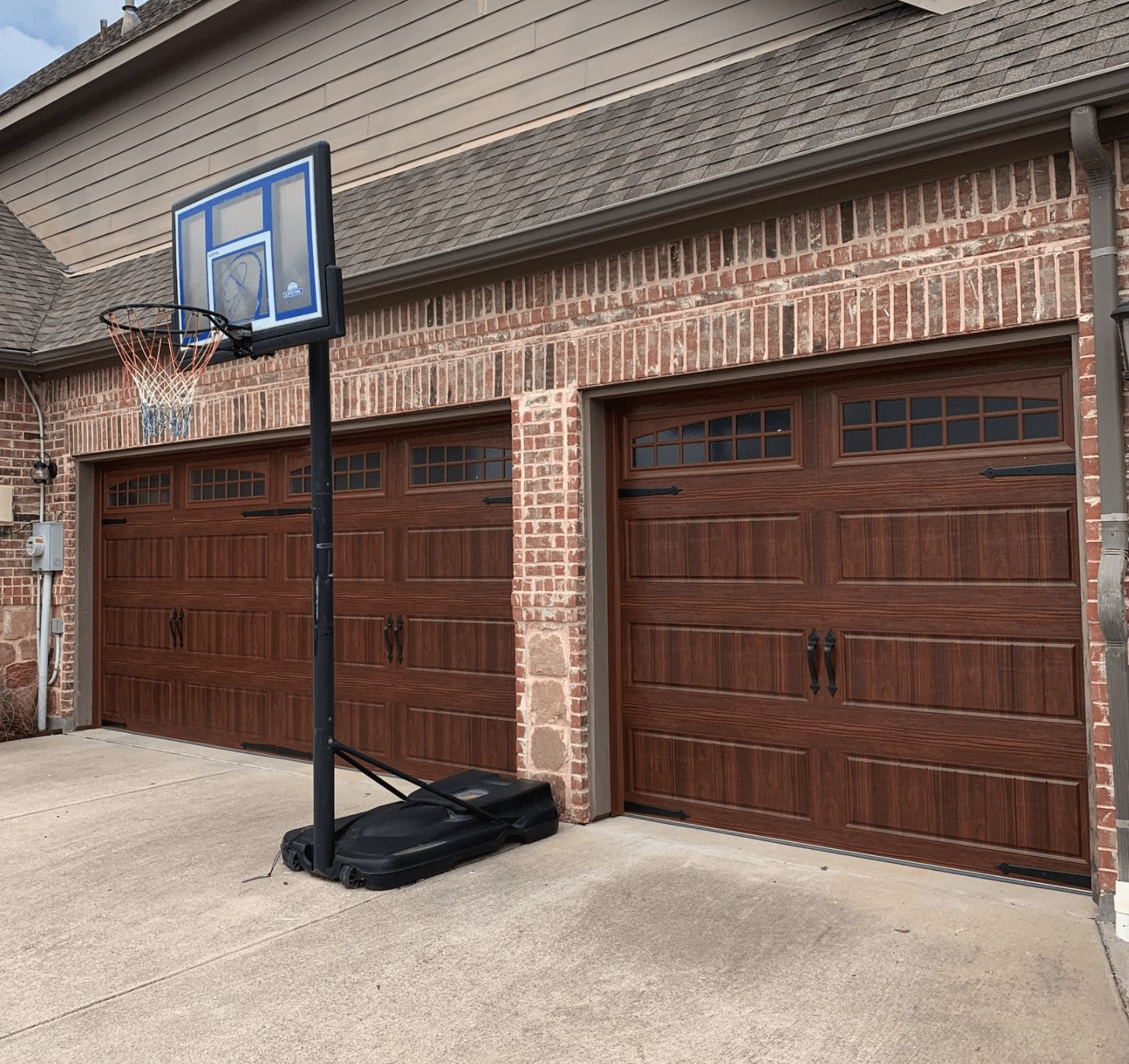
Summer in North Texas is hard on garage doors. Months of one-hundred-degree heat expand metal tracks, dry out lubricant, and push motors to their thermal limits. By October, your system has endured its toughest season of the year. That makes fall the smartest time for a thorough inspection and tune-up.
Meadows Garage Doors performs seasonal maintenance across the DFW metroplex, from Dallas and Fort Worth to Highland Village, Southlake, Keller, and our home base in Trophy Club. This post covers what we check during a fall tune-up, why October timing matters, and how regular maintenance saves you money over the life of your door.
What summer does to your garage door system
Texas heat is not the only summer stressor. UV exposure degrades rubber weather seals. Dust storms introduce grit into the track and roller bearings. Thunderstorms test the seal integrity around the door perimeter. And if your garage faces afternoon sun, the exterior panels absorb enough heat to warp thin steel or crack wood finishes.
By September, most garage doors in the Dallas-Fort Worth area have accumulated a season’s worth of wear. Rollers that were quiet in March may be grinding in October. Springs that were properly tensioned in spring may have stretched slightly from thermal cycling. Cables may show early fraying that was not visible during the spring inspection.
For homeowners considering an upgrade, an insulated door handles thermal stress better than single-layer steel. Our post on whether insulated garage doors are worth it explains the real benefits for North Texas homes.
Waiting until something breaks means paying for an emergency repair, often at the worst possible time. A door that fails on the first freeze of November is a door that could have been saved with an October checkup.
What Meadows checks during a fall tune-up
Our seasonal maintenance visit is a comprehensive inspection of every moving part. We do not just spray lubricant and leave. We examine, test, measure, and adjust.
First, we inspect the springs. Torsion springs are checked for gaps, rust, or any loss of tension. Extension springs are examined for stretching and wear at the cable attachment points. We measure the door balance and adjust spring tension if the manual lift test shows drift.
Next, we inspect the cables and pulleys. Lift cables are checked for fraying and rust. We also watch for uneven winding on the drums. Pulleys are tested for smooth rotation and worn bearings. Any cable showing more than a few stray wires is flagged for replacement.
The rollers and hinges come next. We look for cracked nylon, flattened steel rollers, and loose hinge bolts. Worn rollers are replaced with heavy-duty sealed-bearing units. Hinges are tightened and lubricated.
The track system is inspected for dents, misalignment, or loose brackets. We verify that the vertical tracks are plumb and the horizontal tracks slope correctly toward the back wall. Track hardware is tightened to specification.
The opener gets its own section. We test the safety reversal by placing a two-by-four under the door and running a close cycle. The door must reverse within two seconds of contact. We check the force settings, the travel limits, and the sensor alignment. The motor housing is inspected for dust buildup that can cause overheating.
Finally, we examine the weather seal. The bottom rubber strip and side seals are checked for cracks or hardening. Gaps are noted too. A worn seal lets in drafts and pests. Water intrusion is another risk. Replacement seals are inexpensive and quick to install.
Homeowners who want to understand the full cost of neglected maintenance can read our post on broken garage door spring warning signs to see how small problems turn into big bills.
Why fall beats spring for garage door maintenance
Spring maintenance is popular because it follows winter. But in North Texas, winter is mild. The real damage happens in summer. By October, your system has just finished its hardest three months.
Scheduling a tune-up in October gives you two advantages. You catch the summer wear before it becomes a winter failure. And you prepare the door for the cooler months when metal contracts and lubricants thicken. A door that is properly adjusted in October will operate more reliably in January than one that was last serviced in April.
October is also the sweet spot for scheduling. Emergency calls drop off after the summer rush, so appointment availability is better. You can book a convenient time rather than taking whatever slot is left during a spring backlog.
The financial case for regular tune-ups
A fall tune-up costs less than almost any repair it prevents. A single broken spring replacement costs several times more than an annual inspection. A burned-out opener motor costs ten times more. And an off-track door that damages panels can run into the thousands.
The math is simple. Spend a small amount once a year to avoid larger, unpredictable expenses later. Regular maintenance also extends the lifespan of every component. A well-maintained garage door system lasts twenty years. A neglected one often needs major work after ten.
Insurance companies increasingly ask about maintenance records on home claims. A door failure that damages a vehicle or injures someone is more likely to be covered if you can show regular professional upkeep.
What homeowners can do between professional visits
You should not attempt major adjustments yourself. Spring tension, track alignment, and opener calibration require specialized tools and training. But there are safe tasks you can handle every few months to keep the system running smoothly.
Lubricate the moving parts. Use a silicone-based spray on the rollers and hinges. The bearing plates need attention too. Avoid WD-40, which attracts dust. Apply a thin film and wipe away the excess.
Test the safety reversal. Place a solid object like a two-by-four flat on the floor where the door would contact it. Run the door closed. It should reverse immediately on contact. If it does not, call for service. This is a safety feature, not a convenience.
Listen for new noises. Grinding, popping, or squealing sounds usually mean a roller is failing or a hinge is dry. Catching these early prevents the part from destroying the track or the panel.
Inspect the weather seal. If you see daylight under the bottom of the closed door, the seal has compressed or cracked. Replace it before cold drafts and pests find the opening.
Keep the tracks clean. Wipe out dust and debris with a dry cloth. Do not use water or solvent, which can wash away lubricant and promote rust.
Signs you need a tune-up now rather than later
Some systems can wait until the next scheduled visit. Others need immediate attention. Call Meadows right away if you notice any of the following.
The door shakes or vibrates during operation. This usually means a worn roller, a loose hinge, or a track alignment issue. It will not fix itself.
The opener strains or slows down. A motor that labors is working against weak springs, binding rollers, or poor lubrication. The longer it strains, the shorter its life.
There is a visible gap in the torsion spring. A broken spring is a safety hazard and a functional failure. Do not operate the door.
The cables are frayed or rusty. A snapped cable can cause the door to drop or go off track. Replace cables at the first sign of wear.
The door does not seal against the floor. Gaps let in weather and pests. Debris is another problem. They also reduce energy efficiency.
If your door is already showing these symptoms, our post on emergency garage door repair in Dallas explains how we handle urgent service calls.
Scheduling your October tune-up with Meadows
Meadows Garage Doors makes fall maintenance easy. We offer scheduled tune-up appointments across the DFW metroplex. Our technician arrives on time, inspects the full system, and provides a written report of findings and recommendations.
If we find a worn part, we quote the replacement before doing any work. There are no hidden fees or surprise charges. Most minor issues are resolved during the same visit since our trucks carry a full inventory of rollers, cables, springs, and weather seal.
We serve Trophy Club and Highland Village, plus Southlake, Keller, Roanoke, Dallas, Flower Mound, Lewisville, and all surrounding areas. Every technician is a Meadows employee, not a subcontractor. We have been locally owned and operated for nearly two decades.
If you are considering a new door rather than maintaining an aging one, our post on new garage door installation in Trophy Club walks through material choices, opener pairings, and what to expect.
Make October the month you protect your garage door
Your garage door is the largest moving part of your home. It operates thousands of times per year, often without a second thought. But like any mechanical system, it needs regular care to stay safe and reliable.
Fall is the best time for that care in Dallas-Fort Worth. The summer stress is behind you. The winter demands are ahead. An October tune-up catches problems early, prepares the system for colder months, and saves you from the inconvenience and expense of an unexpected failure.
Call Meadows Garage Doors today to schedule your October garage door tune-up in DFW. We will inspect every component, make any needed adjustments, and leave your door running like it should.