
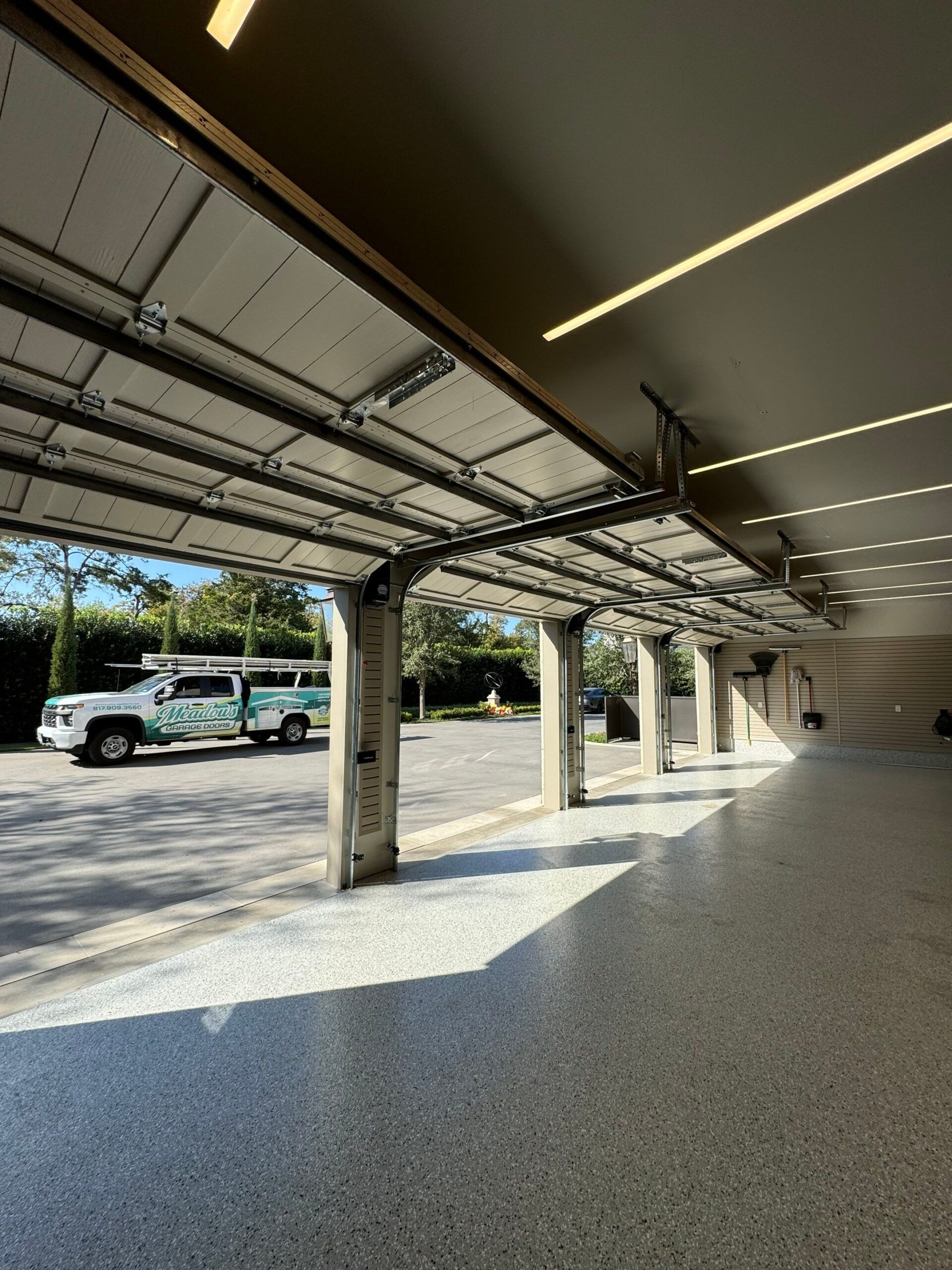
An insulated garage door can lower household energy bills by reducing heat transfer between your garage and the outdoors, which helps your heating and cooling system work more efficiently. Although garage door insulation cost varies depending on materials and installation type, the long-term savings often outweigh the upfront expense, especially for homes with attached garages.
Have you ever noticed certain rooms near your garage feeling colder in winter or hotter during summer?
The issue may be coming from the garage itself. According to ENERGY STAR, sealing air leaks and adding insulation can reduce annual energy bills by up to 10 percent while improving overall home comfort.
Why Garage Doors Affect Overall Home Energy Efficiency
Many homeowners focus on windows and attic insulation first. The garage door often gets ignored, even though it can affect household energy use in several important ways:
- Heat transfer into the garage
- Air leaks around door edges
- Increased HVAC system workload
Heat Transfer Into the Garage
A standard garage door covers a large surface area. If the door has little insulation, outside temperatures move through it much faster.
During summer, heat builds up inside the garage. During winter, cold air moves in more easily. This directly affects nearby indoor spaces.
Air Leaks Around Door Edges
Small gaps around the perimeter create another problem. Warm or cool air escapes through weak seals near the bottom and sides. Poor sealing reduces garage energy efficiency and makes indoor temperatures less stable throughout the day.
Increased HVAC System Workload
Attached garages influence the temperature of nearby rooms. That forces heating and cooling systems to run longer than normal.
An energy efficient garage door creates a stronger barrier between outdoor conditions and interior living spaces. Proper door insulation reduces strain on the system and can gradually lower monthly utility costs.
The Garage Insulation Benefits Homeowners Often Overlook
Most people think insulation only affects heating and cooling bills. In reality, garage insulation benefits extend far beyond monthly energy savings:
- Better temperature control
- Protection for stored belongings
- More usable garage space
Better Temperature Control
An insulated garage stays more stable during extreme weather. Summer heat enters more slowly. Winter cold becomes less severe.
Proper door insulation reduces sharp temperature swings that often spread into nearby rooms inside the home.
Protection For Stored Belongings
Many homeowners keep valuable items in the garage year-round. Extreme heat can damage paint, batteries, and stored liquids.
Cold temperatures can shorten the life of certain equipment. Better insulation creates a steadier environment and reduces wear on temperature-sensitive items.
More Usable Garage Space
Some garages serve more than one purpose. People often use them for home gyms, hobby areas, or small workshops.
Poor insulation can make these spaces uncomfortable for much of the year. An insulated garage door installation improves comfort and makes the garage more practical for everyday use beyond simple vehicle storage.
Understanding Garage Door Insulation Cost and Long-Term Savings
The total cost depends on several factors. Door size makes a difference. Material choice matters as well.
A basic retrofit kit usually costs less than full insulation installation on a new garage door system. Higher-quality insulation materials often raise the starting price.
Monthly Energy Savings
Better insulation reduces temperature transfer between the garage and outdoor air. Heating and cooling systems don’t need to run as often.
Over time, homeowners can reduce energy costs through lower monthly utility bills. Small savings each month begin adding up over the years.
Long-Term Value Over Time
Cheaper upgrades don’t always deliver lasting results. Better materials often maintain performance much longer.
In many cases, a professionally installed insulated garage door creates stronger efficiency gains than lower-cost alternatives. The upfront investment may feel higher at first, but long-term savings often offset that initial expense.
How Insulated Garage Door Installation Improves Year-Round Performance
Even small gaps can weaken insulation performance. Outside air often enters around the bottom and side edges of older doors.
A professional insulated garage door installation creates a tighter fit and reduces unwanted airflow. That stronger seal improves indoor temperature stability.
Insulation works best when outside air stays out. Proper sealing around the door frame blocks drafts during colder months.
It also slows heat buildup during summer. Stronger seals improve the performance of an energy efficient garage door and prevent energy loss that often goes unnoticed.
Poor installation can shorten the life of a garage door system. Weak alignment puts extra strain on moving parts over time.
Professional insulation installation improves structural stability and reduces unnecessary wear. Better proper door insulation works best when every part of the door fits and seals correctly.
Frequently Asked Questions
How Does Garage Door Insulation Affect Noise Levels?
An insulated garage door does more than control temperature. The insulation material absorbs vibration each time the door opens or closes. That reduces rattling and mechanical noise during daily use.
Thicker door panels also block more outside sound. Homes near busy streets often become noticeably quieter after upgrading the garage door.
Which Insulation Materials Work Best for Garage Doors?
Two materials are the most common. Polystyrene is lightweight and less expensive. Polyurethane is denser and fills more space inside the door panels.
That tighter fill creates better thermal resistance. Homeowners focused on stronger long-term performance often choose polyurethane for a more energy efficient garage door.
Can An Existing Garage Door Be Retrofitted With Insulation?
Older garage doors can sometimes be upgraded without full replacement. Retrofit kits attach insulation panels directly to the interior side of the door.
The success of this upgrade depends on door condition and structural strength. In some situations, retrofitting lowers garage door insulation cost compared with replacing the entire system.
Reduce Energy Costs in 2026
Although garage door insulation cost varies depending on materials and installation choices, the long-term savings often make the investment worthwhile.
At Meadows Garage Doors, we deliver full-service garage door repair and installation across Trophy Club and the DFW Metroplex with fast, dependable service homeowners can count on. Our trained in-house technicians bring 17 years of experience, and we never use subcontractors. From same-day repairs to custom garage door installations, we combine expert workmanship, respectful service, and partnerships with leading manufacturers to deliver lasting quality on every job.
Get in touch today to find out how we can help with your garage door needs!