
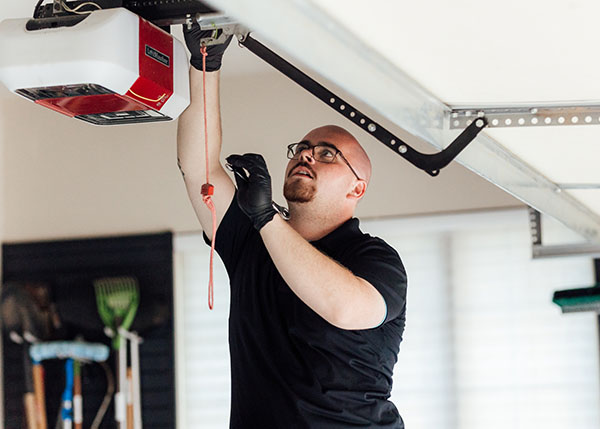
For most homeowners, professional garage door opener installation is the safer, more reliable choice. DIY makes sense only when you already have solid electrical and mechanical skills and the right tools for the job. Without that experience, the safety risks and potential repair costs outweigh what you’d save on labor.
80% of U.S. homes have a garage, and according to Ophthalmic Surgery, Lasers and Imaging Retina, around 35,000 people are injured by garage doors every year, with some of those injuries proving fatal. A garage door is one of the most mechanically demanding systems in your home, and installation errors are a common cause of those accidents.
This article breaks down exactly what each approach requires so you can make a confident, informed decision before touching a single tool.
What Does Garage Door Opener Installation Actually Involve?
To install a garage door opener, you actually work through several steps in a specific order. The process includes mounting the rail and motor unit, running electrical connections, programming the travel limits, and calibrating the safety reverse sensors.
Opener type really matters for how the work unfolds. A belt drive system, for instance, needs overhead clearance along the full length of the rail. A wall mount opener, instead, takes up far less ceiling space and suits garages with low or obstructed ceilings quite well.
The technical requirements for garage doors vary by setup, so getting those specifications right from the start saves time and avoids the cost of a return visit.
The Skills and Tools a DIY Install Demands
A DIY garage opener project calls for skills that not every homeowner has. Electrical wiring, mechanical assembly, and careful measurement are all part of the process, and each step needs to be completed correctly for the system to work safely.
Working at height is something many people underestimate. You need steady hands, a good sense of balance, and enough upper body strength to hold components in position. Small errors in sensor placement or limit settings can pretty much affect how the door behaves every single day, so attention to detail matters throughout.
Some tools you often need to complete the job include:
- A power drill and assorted bits for mounting hardware
- A level to check proper rail alignment during setup
- Wire connectors and a voltage tester for electrical connections
- A sturdy ladder rated for your garage ceiling height
- The manufacturer’s instruction manual for your specific opener model
Is DIY Garage Door Opener Installation Actually Safe?
Garage door safety is a real concern, and the risks increase when someone handles the job without proper training. A standard residential door can weigh between 130 and 400 pounds, and the spring system holds a very high amount of stored mechanical energy.
Springs are the most dangerous part of the whole system. They work under extreme tension, and a spring that was incorrectly installed or adjusted can snap with enough force to cause serious injury. A DIY installer working on a door that already has spring problems may not catch the issue, and that oversight can turn a simple opener swap into something far more dangerous.
A miscalibrated sensor, for example, means the door may fail to reverse when an obstacle is in the way. That failure can seriously injure a person, a pet, or cause significant vehicle damage.
When Does It Make Sense to Hire a Professional?
Why hire a garage door expert? Frankly, the answer comes down to three things:
- The complexity of your setup
- The condition of your existing door
- Your own comfort level with this type of work
A garage door opener replacement on an older door naturally means dealing with worn springs, misaligned tracks, or outdated wiring, all of which add real difficulty to the job.
The professional installation benefits go well beyond the quality of the finished result. A licensed installer tests travel limits, verifies sensor placement, and confirms the opener is correctly matched to your door’s weight and height.
When DIY Costs More Than You Expected
The DIY savings can disappear fairly quickly. A callback visit, replacement parts, or a follow-up repair after something goes wrong can cost more than the original installation fee in the first place.
Hiring a professional tends to be the right call in these situations:
- Your door shows signs of spring wear or visible cable damage
- Your home uses a smart system that requires opener integration
- Your garage ceiling has limited headroom, requiring a low-clearance kit
- You are replacing an opener on a custom or oversized door
- You want the work backed by a workmanship guarantee
Frequently Asked Questions
How Long Does Professional Garage Door Opener Installation Typically Take?
Most professional installations take between two and four hours, depending on the opener type and your existing setup. A straightforward install on a standard door typically falls on the shorter end of that range.
Does a New Opener Installation Affect My Garage Door Warranty?
Many manufacturers actually require professional installation to keep the product warranty valid. A DIY install done incorrectly can void coverage on both the opener and related hardware.
Are Permits Required for Garage Door Opener Installation in Texas?
Permit requirements vary by city and county across Texas, so checking with your local municipality first is a smart move. Some areas clearly require an electrical permit for new opener wiring, particularly if the circuit needs to be extended.
How Do I Know If My Existing Door Is Compatible With a New Opener?
Compatibility depends on your door’s weight, height, and the drive system you are considering. Most opener manufacturers publish compatibility guidelines online, and a professional can usually confirm the right match before any work starts.
Make the Right Call for Your Home and Your Safety
Garage door opener installation rewards careful decision-making. Understanding the skills, tools, and safety demands involved leads to a better outcome, and for most homeowners, professional installation carries fewer risks and delivers more reliable long-term performance.
At Meadows Garage Doors, our fully licensed and insured technicians bring nearly two decades of hands-on experience to every installation across the Dallas-Fort Worth area. Texas law does not require companies to carry liability insurance, but we do, giving you real protection on every job. Contact us today to schedule your installation with a team that does it right the first time.