
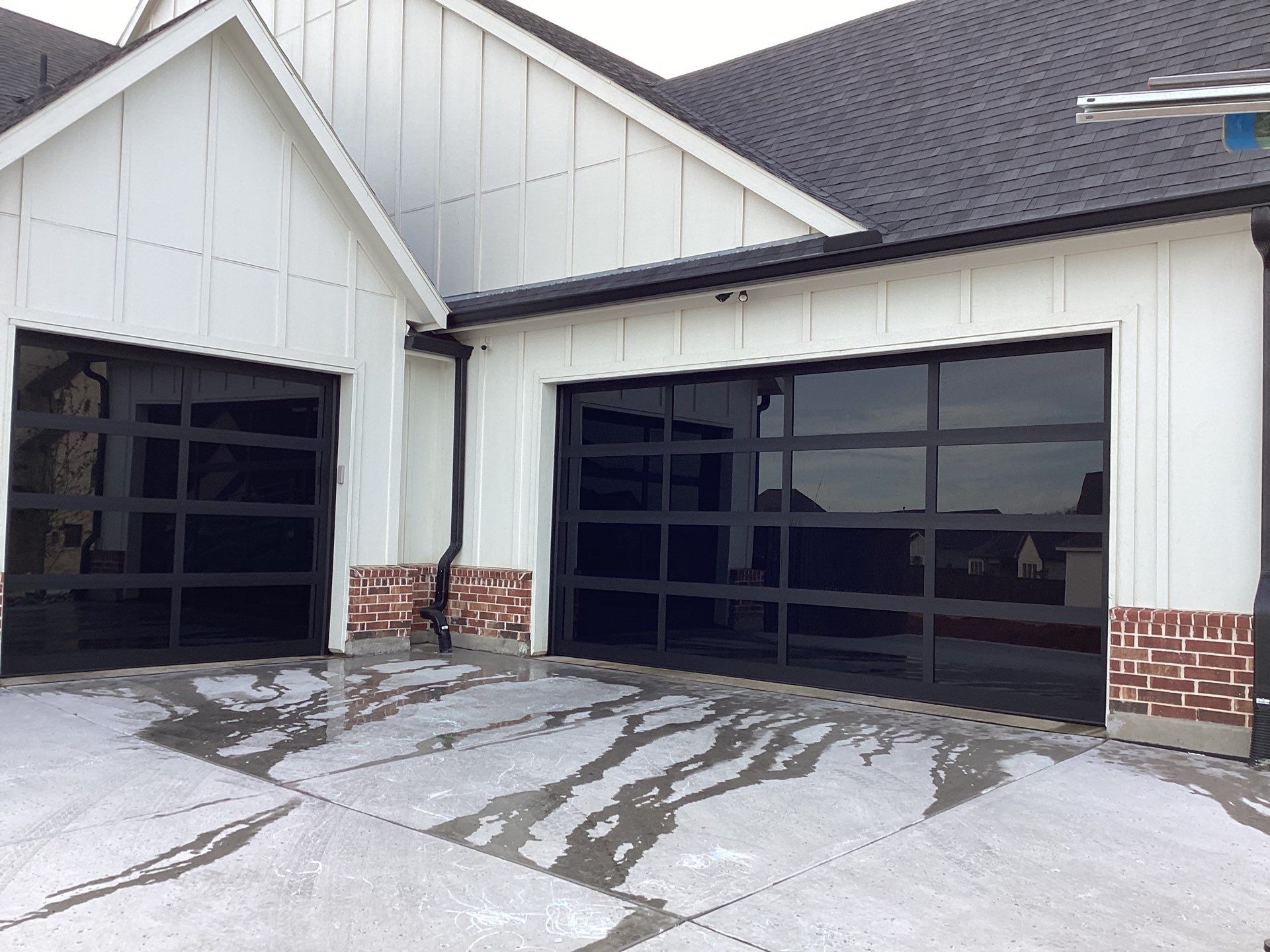
A quality garage door can lower household expenses by improving temperature control, reducing strain on heating and cooling systems, and cutting down on long-term repair costs. Installing an insulated garage door helps limit heat transfer, keeps indoor temperatures more stable, and can lead to noticeable savings over time.
Have you ever wondered why your utility bills stay high even when the rest of your home is built for efficiency? One often overlooked factor is the garage, especially when it shares walls with the main living space and allows outside temperatures to affect the rest of the house. Upgrading to a better-built garage door helps improve insulation, reduces wasted energy, and creates stronger long-term protection for both your home and your budget.
Why Garage Doors Affect Household Energy Costs
Many homeowners don’t realize how much their garage influences the temperature inside the rest of the home. When a garage door performs poorly, it can quietly raise monthly utility costs in several ways:
- Heat enters during warm weather
- Cold air moving indoors during winter
- Increased strain on heating and cooling systems
Heat Entering During Warm Weather
During summer, an older garage door can absorb large amounts of outdoor heat. That heat builds inside the garage throughout the day.
If the garage shares walls with indoor living areas, that trapped heat slowly moves deeper into the home. Your air conditioner then runs longer to keep indoor temperatures stable.
Cold Air Moving Indoors During Winter
Winter creates the opposite problem. Poor garage door insulation lets cold outdoor air enter through thin panels and small gaps around the frame.
The garage becomes much colder than the surrounding rooms. That temperature difference makes nearby walls colder, which forces indoor heating systems to work harder and reduces garage heating efficiency.
Increased Strain on Heating and Cooling Systems
Heating and cooling systems respond to constant temperature shifts inside the home. When the garage loses temperature control, your HVAC system cycles more often. Over time, that extra workload raises utility costs and can reduce overall energy savings that homeowners expect from an efficient home.
How an Insulated Garage Door Improves Efficiency
Not all garage doors perform the same when it comes to controlling temperature inside the home. An insulated garage door improves efficiency by slowing heat transfer and keeping garage temperatures more stable throughout the year:
- Insulation layers inside the door
- Reduced heat transfer between indoors and outdoors
- Better year-round temperature control
Insulation Layers Inside the Door
An insulated door contains material placed between layers of metal or composite panels. That material creates a barrier against outdoor temperatures.
Common insulation materials include foam products that trap air and reduce temperature movement. Stronger insulation creates better garage door insulation from the start.
Reduced Heat Transfer Between Indoors and Outdoors
Heat naturally moves toward cooler spaces. A thin garage door does little to slow that process. An energy-efficient garage door creates resistance against outside temperatures.
Less heat enters during summer. Less warmth escapes during colder months. That directly improves indoor temperature control.
Better Year-Round Temperature Control
Stable garage temperatures create more consistent conditions around nearby living spaces. Heating and cooling systems don’t need to be adjusted as often.
That improves garage heating efficiency and can lead to better monthly energy performance over time. Consistency inside the garage often creates stronger long-term household savings.
Long-Term Value and Overall Home Efficiency Improvements
A garage door upgrade can improve more than one part of household performance. Better construction and stronger insulation often improve overall efficiency in ways homeowners notice over many years:
- Better control of household energy use
- Reduced strain on connected home systems
- More reliable long-term energy performance
Better Control of Household Energy Use
Every home has areas where energy escapes more easily. A garage often becomes one of those weak points.
Poor insulation forces indoor systems to work harder throughout the day. Better garage door insulation creates stronger temperature control and reduces unnecessary energy loss inside connected parts of the home.
Reduced Strain on Connected Home Systems
Heating and cooling equipment respond constantly to indoor temperature changes. Extra strain can shorten the life of expensive HVAC equipment over time.
A better garage door creates a more controlled indoor environment. That can reduce system workload and help homeowners reduce energy bills over the long term.
More Reliable Long-Term Energy Performance
Small improvements often create noticeable savings over time. A stronger door improves insulation and strengthens household efficiency as a whole.
Better temperature control creates more consistent energy savings each month. Many homeowners view this upgrade as one of the smarter, cost-effective garage solutions for long-term value.
Frequently Asked Questions
What R-Value Should a Garage Door Have for Better Efficiency?
R-value measures how well insulation slows heat transfer. A higher number means stronger thermal resistance.
Homes in colder climates often benefit from higher ratings. Choosing the right insulation level improves overall garage door insulation and creates better temperature control throughout the year.
Can Garage Door Weather Seals Improve Energy Performance?
Insulation inside the door matters, but sealing around the edges matters too. Small gaps let outside air move freely into the garage.
Bottom seals and side seals reduce those drafts. Better sealing can help homeowners reduce energy bills without replacing the full door system.
Do Detached Garages Need Energy-Efficient Doors?
Detached garages still benefit from insulation upgrades. Temperature swings can damage stored equipment over time. A better energy-efficient garage door creates more stable indoor conditions and protects valuable belongings stored inside the garage.
Cost-effective Garage Solutions
A garage door does more than provide security and convenience. Choosing an insulated garage door can lower utility costs, reduce repair expenses, improve temperature control, and protect valuable belongings.
At Meadows Garage Door Repair & Installation, we deliver fast, professional garage door service throughout Trophy Club and the greater DFW area. With 17 years of experience and fully trained in-house technicians, we never rely on subcontractors, giving homeowners dependable service they can trust. From same-day repairs to custom garage door installation, we combine expert craftsmanship, quick response times, and a wide range of design options built around your home.
Get in touch today to find out how we can help with your garage door needs.