
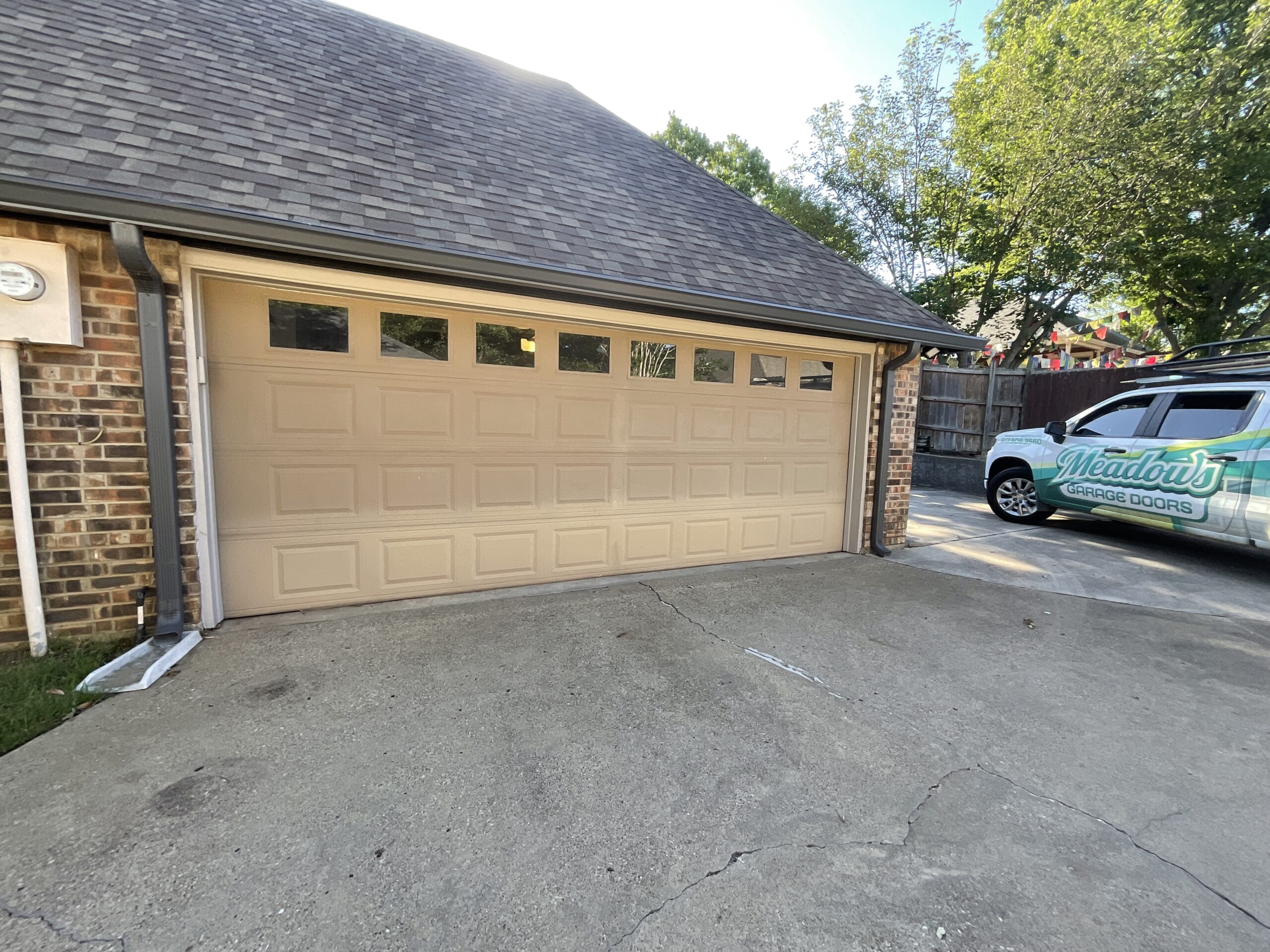
Regular garage door maintenance involves lubricating moving parts, cleaning the tracks, testing balance and safety sensors, and inspecting hardware and weather seals, at minimum once a year. Staying consistent with these tasks helps prevent small issues from becoming costly repairs.
Most homeowners use their garage door multiple times a day without giving it a second thought… until something breaks. A grinding noise or a door that moves unevenly can throw off an entire morning.
The good news? Most of those problems are avoidable. This guide answers the most common garage door maintenance questions so you know exactly what to do, how often, and when to call a pro.
How Often Should You Schedule Garage Door Maintenance?
Servicing your garage door at least once a year is typically a solid starting point. Regular garage door upkeep helps you catch worn parts early, before a breakdown disrupts your day.
Texas summers, humidity, and seasonal storms tend to put extra strain on hardware, seals, and springs. Homes with high-traffic doors or frequent exposure to extreme weather may need garage door care more than once a year. Paying attention to how your door looks and sounds day-to-day is, in a way, one of the simplest maintenance habits you can build.
Here are a few conditions that call for more frequent service:
- A door used more than four times daily
- Visible rust, peeling, or cracking on panels or hardware
- A door over ten years old with no recent professional service
- Exposure to heavy rain, hail, or freezing temperatures
What Does a Routine Garage Door Maintenance Check Look Like?
DIY garage door maintenance actually covers several tasks that most homeowners can handle without special tools or training. Staying consistent with these steps keeps common garage door issues from growing into costly repairs.
Lubrication
Apply a garage-door-specific lubricant to hinges, rollers, and springs; a light coat is all you need. Frankly, using a general-purpose spray can attract dirt and debris to the parts you’re trying to protect.
Track Cleaning
Wipe the tracks down with mild soap and water to clear out dust and debris. Avoid lubricating the tracks themselves; that tends to cause the door to slip or go out of alignment.
Balance Testing
Disconnect your garage door opener and lift the door manually to about waist height. A balanced door stays in place or drifts only slightly. If it drops or shoots upward, the springs likely need professional attention.
Hardware Inspection
Bolts, nuts, and brackets naturally loosen from the vibration of daily use. Check accessible hardware by hand and tighten anything loose, leaving any parts connected to springs or cables to a trained technician.
Safety Sensor Testing
Clean the sensor lenses, then test the reverse function by placing an object in the door’s closing path. Your door really should reverse immediately when it detects an object in its path.
Weather Seal Inspection
Check the seals along the bottom and sides of your door for cracks, gaps, or signs of moisture. Worn seals can let in pests and reduce your garage’s energy efficiency over time.
When To Call a Professional Instead of DIYing?
Garage door troubleshooting tasks like cleaning, lubricating, and inspecting hardware are basically within reach for most homeowners. For more serious problems, a trained technician handles garage door repair best.
Springs and cables are under very high tension, making professional handling a must for any adjustments. You can do visual checks yourself; leave any actual repair work to someone with the right training and tools.
Garage door pricing for professional service can vary quite a bit, so ask for a clear, upfront quote before any work starts. Companies like Meadows Garage Doors provide transparent pricing, so you know exactly what to expect before a technician arrives.
Certain signs clearly call for a professional visit:
- Grinding or banging that continues after lubricating all moving parts
- A door that fails the balance test and won’t stay in place
- Sensors that don’t trigger the reverse function during testing
- Slow or uneven movement that cleaning and lubrication don’t improve
- Visible damage to springs, cables, or tracks
Frequently Asked Questions
Why Is My Garage Door Making Noise?
Noise usually points to dry parts, loose hardware, worn rollers, or dirty tracks. Start by lubricating the hinges, rollers, and springs, then check the hardware for anything loose. Tightening any loose bolts can make quite a difference on its own.
A persistent noise after those steps is a clear sign to call a professional.
Why Won’t My Garage Door Open or Close Smoothly?
Several things can cause this: dirty tracks, worn rollers, poor lubrication, or loose hardware. Misaligned sensors can seemingly stop the door from closing for no obvious reason.
Clean the tracks, lubricate the moving parts, and check both the hardware and sensors as a starting point. If the problem continues, a technician can find what’s behind it pretty quickly.
What Should I Check if My Door Is Moving Slowly?
Slow movement sometimes comes from dried-out rollers, sticky tracks, or low lubrication. Clean the tracks and apply lubricant to all moving parts. Opener settings can apparently affect door speed in some cases. If the door remains slow after that, the opener may need a closer look from a technician.
How Long Does a Garage Door Last?
A well-maintained garage door typically lasts between 15 and 30 years, depending on the material, usage, and how consistently it receives care. Steel and aluminum doors tend to hold up very well in most climates, while wood doors may need more frequent attention in areas with high humidity. The hardware (springs, cables, and rollers) usually wears out sooner than the door itself and will need replacing at least once over the door’s lifetime.
A Well-Maintained Garage Door Starts With the Right Team
Consistent garage door maintenance, from lubrication and track cleaning to balance checks and sensor tests, keeps minor wear from becoming a costly repair. When a problem goes beyond basic upkeep, professional service is the right call.
Meadows Garage Doors serves homeowners across the Dallas-Fort Worth area with same-day service, fair upfront pricing, and technicians who are fully licensed, insured, and never subcontracted. In Texas, liability insurance isn’t legally required for garage door companies; Meadows carries it anyway, because your home deserves that protection.
Call us today to schedule service and keep your garage door performing reliably.