
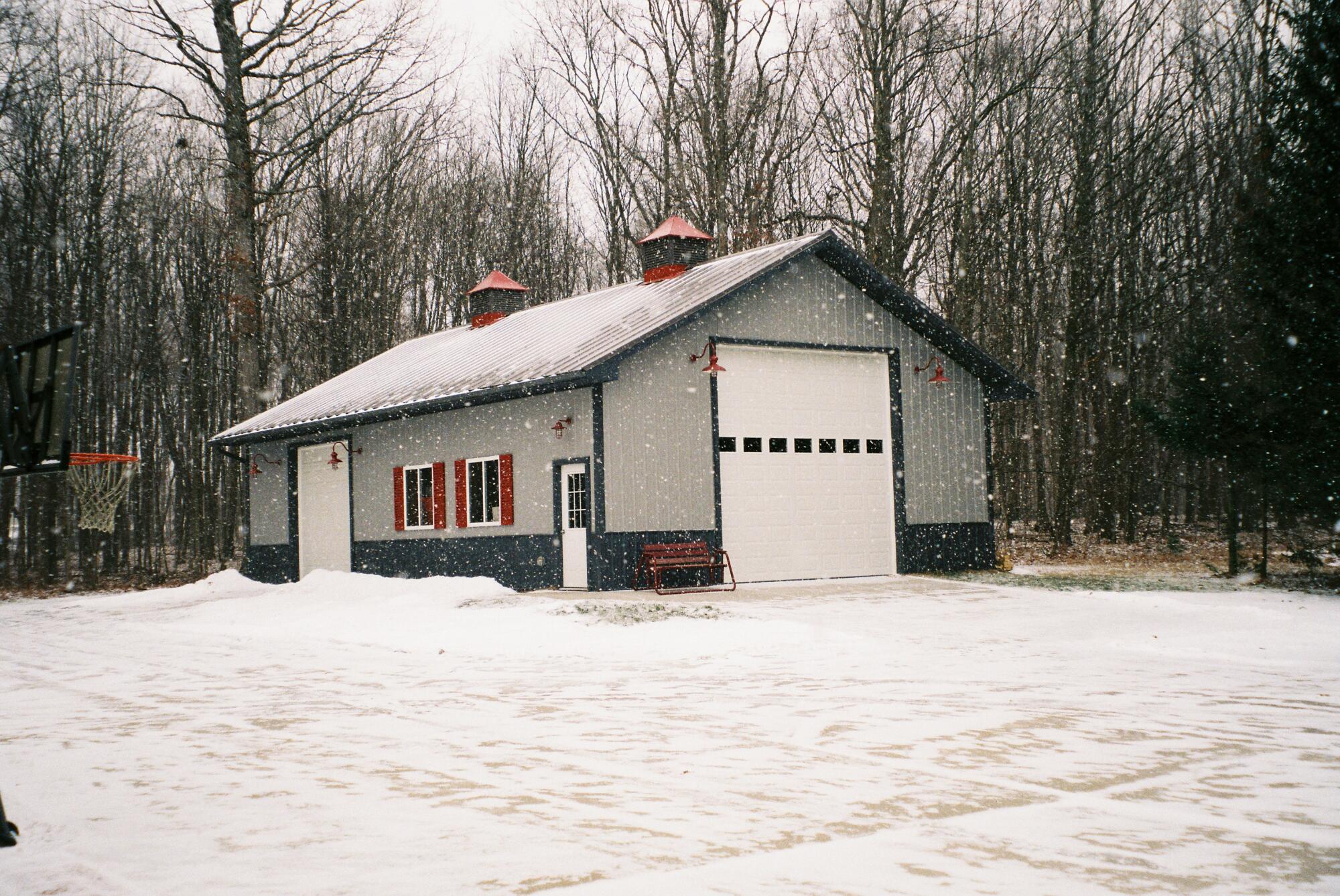
Cold snaps in North Texas can cause real, predictable issues for garage doors, including frozen seals, stiffened metal components, and opener malfunctions. Homeowners can reduce these risks by insulating the garage door, maintaining weather seals, using cold-rated lubricants, and managing moisture buildup before temperatures drop. These steps go a long way toward minimizing common garage door winter problems in the DFW area.
Have you ever tried to open your garage door on a cold morning only to find it stuck or struggling to move? Even brief winter weather can affect garage door performance in ways many Texas homeowners don’t expect.
Let’s look into how cold weather impacts garage doors in North Texas, why these issues happen despite generally mild winters, and what preventive measures can help protect your door and its components.
Should I Insulate My Garage Door in Texas?
Cold weather in North Texas may not last long, yet it can still affect how a garage door performs. Short cold snaps place stress on metal parts, seals, and openers, which makes insulation a practical option for many homes.
There are three practical reasons homeowners often choose insulation:
- Temperature stability
- Component protection
- Energy efficiency support
Temperature Stability
Insulation helps slow heat loss during cold nights and early mornings. A steadier temperature inside the garage limits exposure to garage door cold weather that causes materials to tighten and shift. It can reduce strain on springs and rollers during cold starts.
Component Protection
Cold air affects lubricants and metal parts. Insulation supports cold weather garage care by reducing how quickly parts cool down. Springs, tracks, and openers tend to respond better when temperature swings feel less extreme.
Energy Efficiency Support
An insulated garage door can help limit heat transfer into nearby rooms. Many homeowners include insulation as part of winterproofing garage doors while following basic garage maintenance tips that support long-term performance.
Will Insulating an Unheated Garage Cause Mildew?
Mildew concerns often come up when homeowners think about insulating an unheated garage. The worry usually centers on trapped moisture and reduced airflow during colder months. In North Texas, insulation alone does not create mildew when moisture levels stay under control.
Moisture enters garages through
- humid air
- wet vehicles
- and concrete floors that release vapor.
Insulation can help stabilize surface temperatures, which reduces condensation on doors and walls.
Fewer temperature swings support better cold weather garage care and limit damp spots where mildew can grow. Ventilation still matters, especially after rain or freezing nights. Small gaps, vents, or periodic air circulation help moisture escape without letting cold air settle in.
Winterproofing garage doors works best when insulation pairs with sealed gaps and dry conditions. Frost prevention techniques, such as maintaining intact weather stripping and keeping water away from door thresholds, help reduce moisture contact.
Common Garage Door Winter Problems in North Texas
Cold weather in North Texas brings quick temperature drops that affect garage doors in ways many homeowners do not expect. Short freezes and overnight moisture create conditions that lead to repeated garage door winter problems across the DFW area.
Some of the most frequent issues include:
- Metal contraction and alignment shifts
- Thickened lubricants and stiff movement
- Sensor and opener interference
Metal Contraction and Alignment Shifts
Steel tracks and springs react fast to garage door cold weather. As temperatures fall, metal tightens and small alignment changes occur. Rollers may bind in the track, which causes jerky movement or loud noises during operation.
Thickened Lubricants and Stiff Movement
Many standard lubricants thicken during colder weather. Rollers, hinges, and springs then move with resistance. Cold weather care often addresses this issue through seasonal lubricant checks.
Sensor and Opener Interference
Moisture from condensation can affect safety sensors and opener contacts. Frost buildup near the door opening blocks sensor signals. These issues rank high among winter garage door complaints and often appear without warning during cold snaps.
Why Garage Doors Freeze Even in Mild Texas Winters
Freezing garage doors are not limited to northern climates. North Texas often sees overnight freezes that follow humid days, which creates the right conditions for sticking and binding. Many homeowners are surprised to find a garage door frozen in place after only a few hours of cold weather.
Moisture plays a large role in this issue. Water from rain, fog, or vehicle runoff settles near the bottom seal and concrete slab. When temperatures drop overnight, that moisture freezes and bonds the door to the ground.
Shaded driveways and north-facing garages tend to see this problem more often. Weather stripping that has worn down allows cold air to reach damp surfaces faster.
Prevent frozen doors by limiting moisture contact at the base of the door. Frost prevention techniques include keeping the threshold dry and clearing pooled water before nightfall.
Cold weather garage care focuses on sealing gaps and managing moisture, which reduces the chance of waking up to a stuck garage door during winter mornings.
Frequently Asked Questions
Can Extreme Temperature Swings Damage Garage Door Springs?
Yes, rapid temperature changes can stress garage door springs over time. Metal expands during warmer hours and contracts once temperatures drop.
In North Texas, those shifts often happen within the same day. Repeated movement weakens the metal and may shorten spring life. Many garage door winter problems trace back to worn springs that struggled through frequent cold snaps.
What Lubricants Work Best for Garage Doors in Winter?
Cold weather affects how lubricants perform on moving parts. Thicker products may harden and slow movement during low temperatures.
Silicone-based or winter-rated lubricants tend to hold consistency better. Applying the right product supports smoother operation and fits well with routine garage maintenance tips for seasonal care.
Cold Weather Garage Care
Winter weather in North Texas may be brief, yet it can still create garage door winter problems for unprepared homeowners.
At Meadows Garage Doors, we’re proud to serve Trophy Club and surrounding DFW communities with reliable garage door repair and installation services. Our in-house technicians bring years of hands-on experience and arrive ready to help, often the same day you call. From repairs to new garage door installations, we focus on quality work, fair pricing, and respect for your home and time.
Get in touch today to find out how we can help with your garage door this winter!