
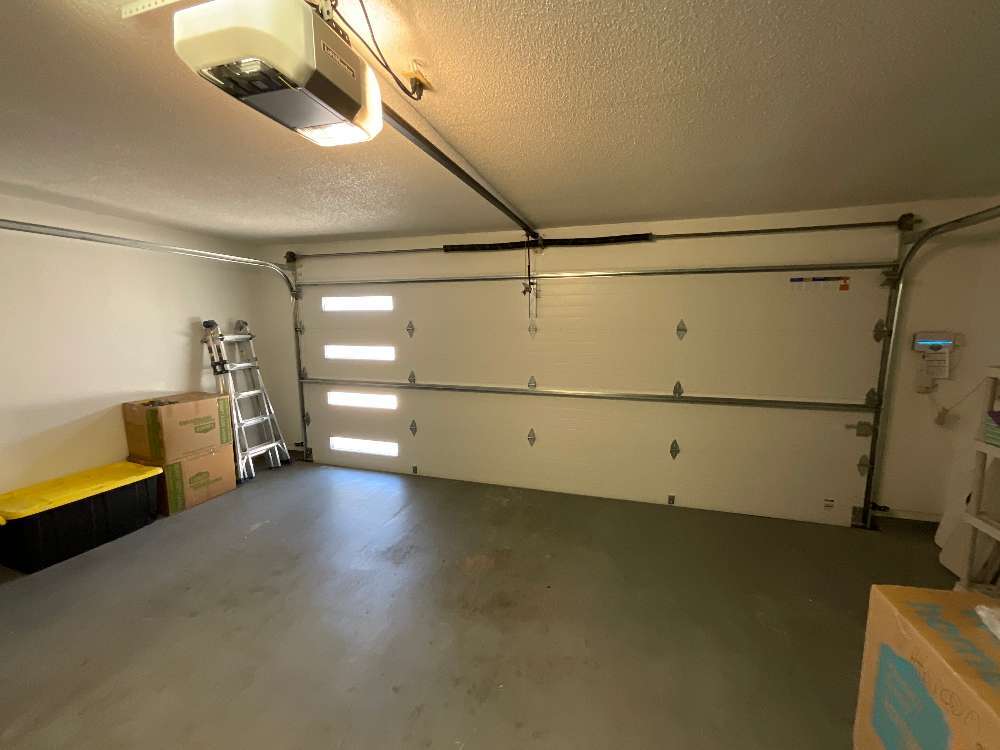
A garage door slow in cold weather usually means frozen components, thickened lubricant, or extra resistance in the system. Cold temperatures change how metal, rollers, springs, and openers move, which is why doors often hesitate, stall, or stop halfway during winter mornings.
The frustration hits fast. You’re already behind schedule, the car is running, and the garage door crawls upward like it’s fighting you every inch of the way. That slow grind isn’t random, and it’s not something to ignore.
Cold weather exposes weak points in your garage door system, and small problems can turn into full breakdowns if they’re left unchecked. This guide shows you exactly how to fix it and keep it from happening again.
Can Cold Weather Affect Your Garage Door?
Cold weather causes real problems for garage door systems. When temperatures drop, metal parts like springs, hinges, and rollers shrink and stiffen. This affects movement and creates added resistance during opening and closing.
Lubricants that work fine most of the year can thicken in the cold. In some cases, they can even freeze. This reduces the smooth motion of tracks and joints.
Snow and ice buildup around the base of the door, or inside the tracks, also stops things from moving. That’s a big reason homeowners see their garage door frozen shut after a snow or ice storm.
Your opener can suffer too. Sensors may become unreliable if fogged up or blocked by frost, and battery-powered remotes tend to die faster.
Altogether, these garage door winter issues make the entire system work harder, which wears out components faster. That wear and tear, if ignored, leads to more expensive repairs later.
Lubricate Moving Parts
Moving parts need regular care, especially during cold months. The right lubricant can keep your garage door running smoothly even when it’s freezing outside. The wrong one, however, makes things worse.
Choose a cold-weather lubricant like lithium-based or silicone spray. These don’t thicken up when it’s cold and are made to protect metal parts in low temps. Spray the lubricant on all moving areas, such as:
- Springs
- Hinges
- Rollers
- Tracks
Avoid oil-based products. They gum up in winter and attract dust. For best results, apply lubricant monthly during the cold season.
Clear Ice and Snow
Snow and ice can block your garage door without you realizing it. Even a thin layer of ice can stop the door from opening or cause the opener to reverse mid-cycle.
Start by checking these areas when temperatures drop:
- Door base
- Inside tracks
- Around photo-eye sensors
Use warm (not boiling) water to melt ice. Or try a commercial de-icer spray.
Never force your garage door open if it’s stuck. That might snap a cable or damage the opener. If your door gets stuck often, you’ll want to prevent freezing garage door problems with consistent clearing and maintenance.
Adjust Opener Sensitivity Settings
Garage doors use built-in sensors to detect how much force is needed to move. In colder weather, the door may feel heavier to the opener due to friction or stiff parts. This sometimes triggers the safety reverse.
Check your opener’s manual for instructions on adjusting the force or sensitivity. A small tweak can make the difference between a working door and one that stops halfway up.
If adjusting settings doesn’t solve it, or if your opener is older, it might be time for a professional tune-up. Some companies, like Meadows Garage Doors, offer same-day recalibrations with full safety checks included.
How Do I Check and Replace Weatherstripping?
Weatherstripping protects your garage from cold air, dirt, and moisture. Over time, the rubber seal along the bottom or sides of your door dries out and cracks, especially during cold weather.
Damaged seals allow drafts to creep in, making your garage colder and sometimes freezing the door to the ground. If you’re seeing daylight under your garage door or feeling cold air seeping in, it might be time to replace the seal.
Some signs your garage door cold air seal needs replacement include:
- Brittle or cracked rubber
- Moisture pooling inside the garage
- More insects or dust getting in
Upgrade Remote Batteries
Remotes and wall units rely on batteries that often struggle in the cold. Alkaline batteries lose voltage faster in lower temperatures, which makes your remote less responsive. Switch to lithium batteries for better performance. These are more stable in freezing weather and last longer.
Perform Regular Maintenance
Garage doors work harder in winter. That means parts wear down quickly if ignored. A maintenance routine helps keep everything safe and functional.
Here are a few maintenance steps worth repeating every month:
- Clean tracks with a damp cloth
- Inspect rollers and springs for rust or cracks
- Listen for grinding sounds or slow movement
If any symptoms show up, schedule a professional inspection. Seasonal maintenance helps winterize garage door systems and prevent avoidable issues down the line.
Frequently Asked Questions
How Do I Know If My Garage Door Is Freezing Shut?
Check for frost buildup along the bottom seal, unusual motor noise, or the door stopping midway. If it won’t open at all, it’s likely frozen to the ground.
Can Cold Weather Damage My Garage Door Permanently?
Yes. Ice and stress can wear down springs, damage opener motors, and warp panels. A quick response often prevents bigger repairs.
What’s the Best Lubricant for Winter?
Use a silicone-based or lithium-based spray. These stay smooth and effective even in freezing temperatures.
Why Does My Opener Reverse When the Door Stops?
It’s detecting resistance. Cold parts often cause extra strain, triggering the door’s auto-reverse feature.
Should I Leave My Garage Door Slightly Open to Prevent Freezing?
No. That lets moisture, pests, and cold air inside. Keep the door shut and clear ice regularly.
Garage Door Slow in Cold Weather Still?
A garage door slow in cold conditions is a warning sign that parts are under extra strain. This article covered how freezing temperatures affect movement, how to fix common winter problems, and how routine care reduces breakdowns and costly repairs.
When winter issues persist, Meadows Garage Doors delivers solutions built for North Texas homes. Our fully licensed, insured, and never-subcontracted technicians bring decades of combined experience, same-day service options, and precision maintenance tailored to your door and opener.
Schedule service today to restore smooth operation and protect your garage door before winter damage sets in.