
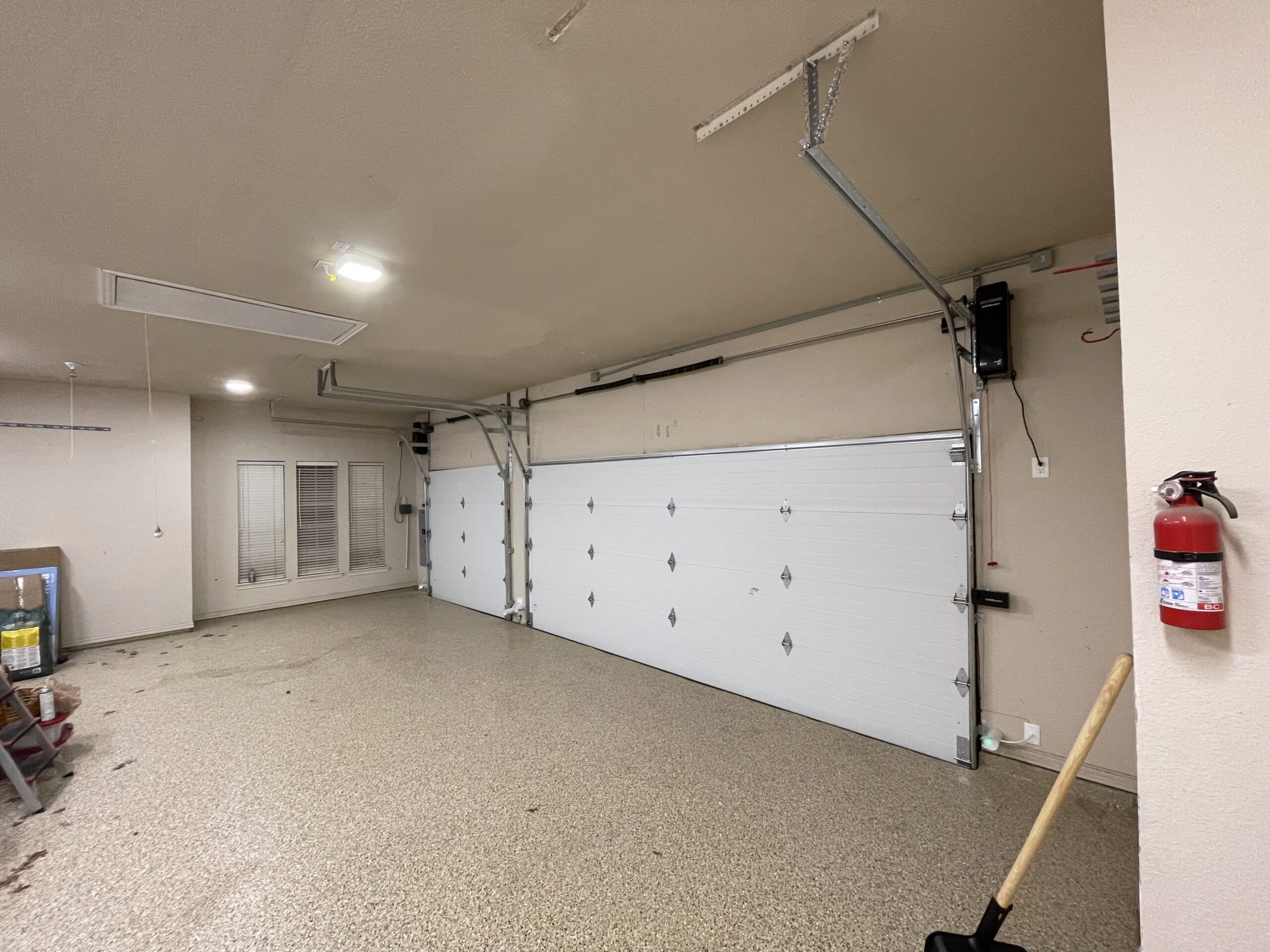
A garage door reverses when closing because its built-in safety system has detected, or misread, resistance or an obstruction in the door’s path. The opener automatically stops and reopens to prevent injury or damage. In most cases, the cause comes down to dirty sensors, a miscalibrated force setting, a track issue, or mechanical wear.
You pressed the button, watched the door come down, and then… nothing. It stopped, reversed, and left your garage wide open. So you tried again. Same result. Now you’re standing in the driveway, running late, and your home is completely unsecured because your garage door won’t stay closed long enough for you to drive away.
That moment of helplessness is frustrating on a good day and genuinely stressful on a bad one. The good news is that a garage door reverses for specific, diagnosable reasons, and this article covers every one of them, what you can check yourself, and when to call a professional to get it resolved for good.
Why Do Garage Doors Have an Auto-Reverse Feature?
Your opener constantly monitors resistance and sensor signals throughout the closing cycle. The moment either reading exceeds a set threshold, the system triggers a reversal, so garage door safety gets prioritized over convenience, every single time.
That built-in response actually saved lives. The U.S. Consumer Product Safety Commission mandated auto-reverse features on all residential garage door openers sold after 1993, following a string of serious injuries and fatalities involving doors that closed on people and vehicles with no mechanism to stop.
The Most Common Reasons Your Garage Door Reverses
A garage door closes then opens again for a fairly specific set of reasons, and most of them are mechanical rather than electrical. Working through each one systematically gets you to the source faster.
Garage Door Sensor Issues
The photo-eye sensors sit near the bottom of each track and send a continuous beam across the door’s path. If that beam gets interrupted by dirt, a spider web, a misaligned housing, or a stray object, the opener reads it as an obstruction and reverses.
Sensor problems are actually the most common cause of an unexplained reversal. A quick look at the indicator lights on each sensor tells you a lot: steady lights mean the sensors are aligned and communicating, while flickering or unlit indicators point to a problem that needs correcting.
Force and Limit Settings
Your opener uses a force setting to determine how much resistance it can push through before reversing. Set too low, normal friction from rollers or hinges is enough to trigger a false reading.
The travel limit setting controls how far the door moves before the opener considers it fully closed. If that limit falls short, the door may reverse right before it reaches the ground.
Track and Mechanical Problems
Why the garage door is not closing all the way sometimes comes down to what the door physically runs through. Bent tracks, debris buildup, or an object in the path can cause the door to bind mid-travel and trigger the safety reversal.
Garage door track alignment problems are often visible. Look for dents, gaps between the roller and track, or sections that look slightly out of position. Worn rollers and stiff hinges add friction, too, and that extra resistance gets read by the opener as something worth stopping for.
What Can You Check and Fix Yourself?
Troubleshooting garage door reversals starts with the simplest possible checks and works toward the more involved ones. Some of these take less than five minutes and resolve the problem completely.
Work through these steps in order before calling a technician:
- Unplug the opener for 30 seconds, then plug it back in and test using the wall button only
- Wipe both sensor lenses clean with a dry cloth and check that indicator lights are steady on each unit
- Realign either sensor housing if the lights flicker or stay off after cleaning
- Walk both tracks and remove any debris, tools, or objects sitting near the door’s path
- Disconnect the opener and lift the door manually to check for heaviness, sticking, or uneven movement
When the Problem Goes Beyond a Simple Fix
A garage door won’t stay closed, even after sensors are cleaned, tracks are clear, and the door moves freely by hand. That pattern usually points to a deeper issue, like a failing logic board, loose sensor wiring, a worn motor, or a door that has drifted out of balance over time.
Spring and balance problems sit in a category of their own. A door that feels significantly heavier on one side or drops faster than it should has a balance issue, and adjusting springs carries real injury risk from the stored tension involved.
Frequently Asked Questions
Does Cold Weather Cause a Garage Door to Reverse on Its Own?
Cold temperatures can thicken lubricant on rollers and hinges, which increases friction and sometimes triggers the force sensor. Metal components also contract slightly in very cold weather, which can affect how smoothly the door travels through the track.
My Garage Door Reverses Only at Night. What Could Cause That?
Sunlight interference is a well-known cause of sensor problems, yet nighttime reversals tend to point in a different direction. Artificial light sources like LED bulbs, streetlights, or motion-sensor lights positioned near the sensors can interfere with the photo-eye beam and trigger a false reversal.
How Often Should Garage Door Sensors Be Cleaned and Checked?
A quick sensor check every three to six months is a reasonable habit for most households. Homes near dusty roads, construction, or with heavy seasonal pollen may need more frequent cleaning to keep the lenses clear and the signal reliable.
The Fix Is Usually Closer Than You Think
A garage door reverses for a reason, and working through the cause systematically leads to a faster, safer fix. From dirty sensors and misaligned tracks to worn rollers and force settings, most reversals trace back to something specific and addressable. Leaving it unchecked, on the other hand, puts daily convenience and home security at risk.
At Meadows Garage Doors, our fully trained, never-subcontracted technicians service all opener types and models across the Dallas-Fort Worth area. We carry liability insurance that Texas law does not require, because your protection matters on every visit. Call us today and get your door working correctly the first time.