
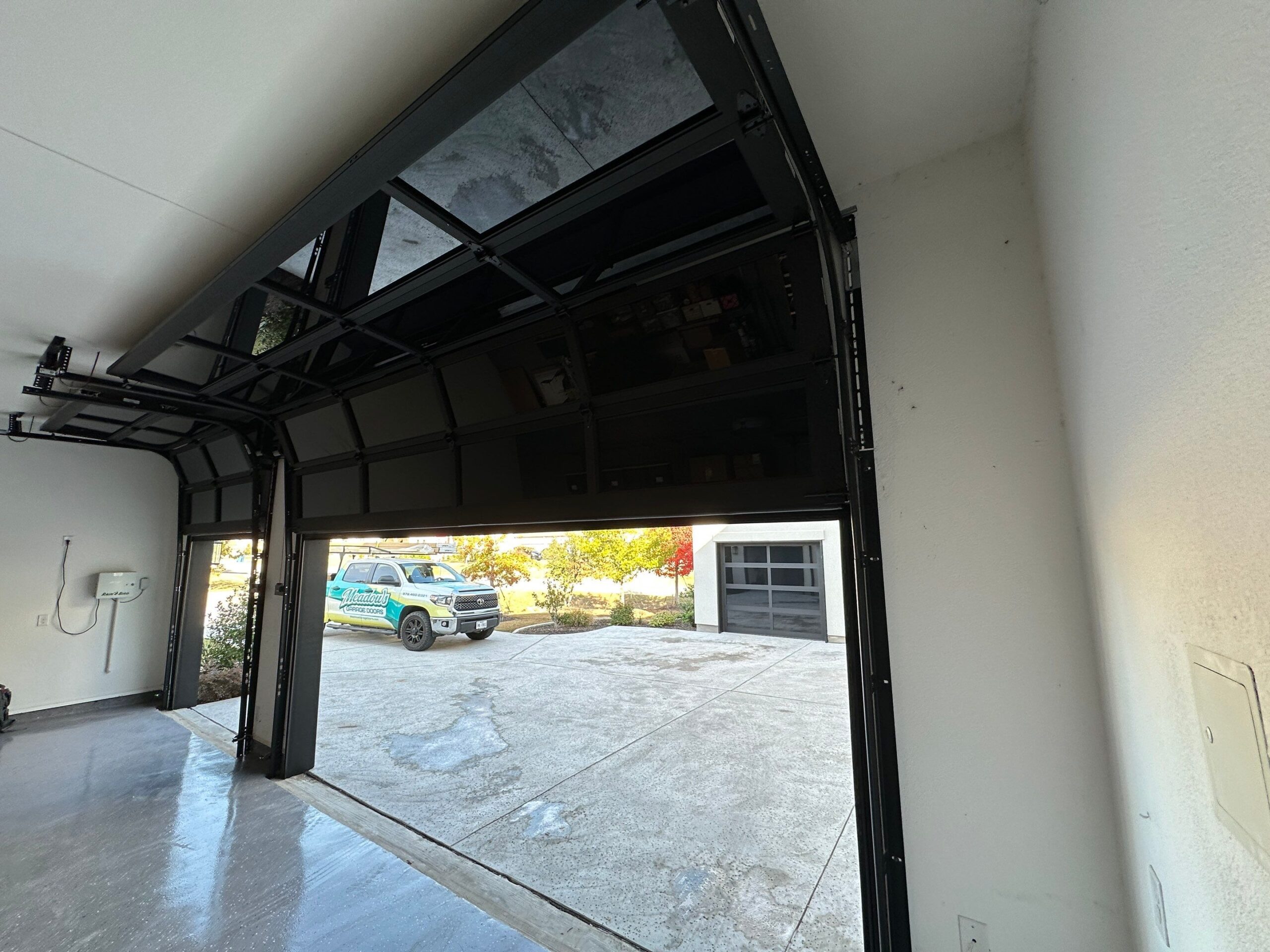
Garage door opener troubleshooting ranges from checking batteries to ensuring your system has power. For most homeowners, DIY is a fast and effective way to fix garage door problems, but you may need a professional to assess and address serious safety issues.
Does this sound familiar? You’ve had a long day at work and just want to get inside. You hit the button to your garage door, and nothing happens.
You’ve now got the stress of wondering why your garage door opener is failing — and what to do in the moment.
The good news is that there are plenty of easy troubleshooting DIY solutions you can do from the convenience of your own home. Most issues are simple and only take a few minutes to fix, and if you can’t figure them out, there are professionals to call. Before you pick up the phone, it’s important to learn to troubleshoot based on the issue.
The Garage Door Won’t Open or Close
This is one of the biggest problems people deal with.
You start by pressing the remote, and nothing happens. You might also notice your garage door start to move a little and then suddenly stop.
The best thing you can do is check the power to the garage door. This might seem obvious, but your opener might not even be plugged in, and it happens more than you realize, and is a very easy fix.
If this isn’t the issue, you’ll want to check your circuit breaker next. If you noticed it was tripped, all you have to do is reset it.
Should neither of these fixes work, you need to press the wall button instead of trying to use your remote. If the wall button works, then you know your remote is the issue.
Remote Control Not Working
Remotes are small and break easily. The batteries also need replacement, so start here.
Next, test your garage opener, and if it still doesn’t work, the location where you’re standing might be the issue. Test it by standing closer to see if this corrects the issue.
Another possibility is that your remote has been deprogrammed. If you’ve had a recent power outage, this can happen. You may need to resync it, and if you’re unsure how to do this, contact a professional in your area.
The Door Reverses Before Closing
At first, this feels confusing. You’ll notice your door start to close and then suddenly go back up.
The good thing is that this is actually an essential safety feature working to keep everyone protected. Garage doors typically rely on sensors placed near the floor. Anytime something blocks the beam, the door won’t close, protecting whatever is in its way.
Even something small can trip the sensors and prevent the garage door from closing. The best thing you can do is use a soft cloth and wipe the lenses on either sensor, and make sure they’re facing each other directly. If this still doesn’t address the issue, contact a professional.
Why Is My Garage Door Going So Slow?
Anytime your garage door starts to lag, pay attention.
Troubleshoot opener issues and begin by checking the tracks. If you see anything like dirt, debris, or other buildup, clean it gently.
Once you do this, listen to your garage door. Do the tracks make a grinding or squeaking sound? If so, they might need lubrication.
Lubrication goes on:
- Rollers
- Hinges
- Tracks
Be mindful of any type of heavy grease for one simple reason: it attracts dirt.
After you’ve lubricated these components of your garage door, if it’s still moving slowly, your opener motor might be wearing out.
Loud Noises During Operation
Garage doors should never be silent, but they also shouldn’t sound extremely loud. You’ll want to check the hardware if you hear any of the following noises:
- Banging
- Grinding
- Rattling
These sounds indicate that something might be loose or dry inside your garage doors. Your rollers could be worn, and replacing them is a simple upgrade that can make a huge difference.
Wall Switch Not Responding
The first thing you’ll want to do is check that your garage door opener still has power. If the motor unit lights up, that’s a good indicator that it does.
Next, check the wiring to see if you can find anything loose or damaged. Only if you’re comfortable, tighten the connections. If not, contact a garage door professional or electrician.
Door Only Opens Partway
Garage door openers tell doors how far it went up or down. If your door stops early, there might be a shift in those settings. Anytime a door feels heavier, never force it, as this could be an issue with the garage door springs.
Keep in mind that this is not something you should attempt to DIY and instead call a professional to handle.
Frequently Asked Questions
Can Cold Weather Affect My Garage Door Opener?
One issue with cold weather is that lubricants tend to thicken. To further complicate matters with your garage door, the metal parts contract, which means your garage door might open more slowly or stick.
How Often Should I Maintain My Garage Door Opener?
Garage door maintenance is ideal every 6 to 12 months. A technician can lubricate your garage door, check the hardware to ensure everything is working properly, and test safety features.
Is It Safe to Keep Using a Malfunctioning Garage Door Opener?
No, not usually. Whenever your garage door starts reversing unexpectedly or refuses to close properly, it’s running a serious safety risk. You should always address the issue immediately by calling a professional.
This not only keeps everyone safe but also prevents small issues from becoming worse — and more expensive — over time.
Garage Door Opener Troubleshooting at Home
Garage door opener troubleshooting helps homeowners in a pinch, especially if the fix is small. When these DIY garage door fixes don’t work, it’s time to call in the professionals. What might start as a small issue with your garage door can spiral into something larger, making routine maintenance an absolute must.
At Meadows Garage Doors, we offer everything from custom garage installation to on-site repair. By inspecting your garage door and swiftly locating any issues, you’ll have instant peace of mind. For expert installation, contact us today for all your home garage solutions!