
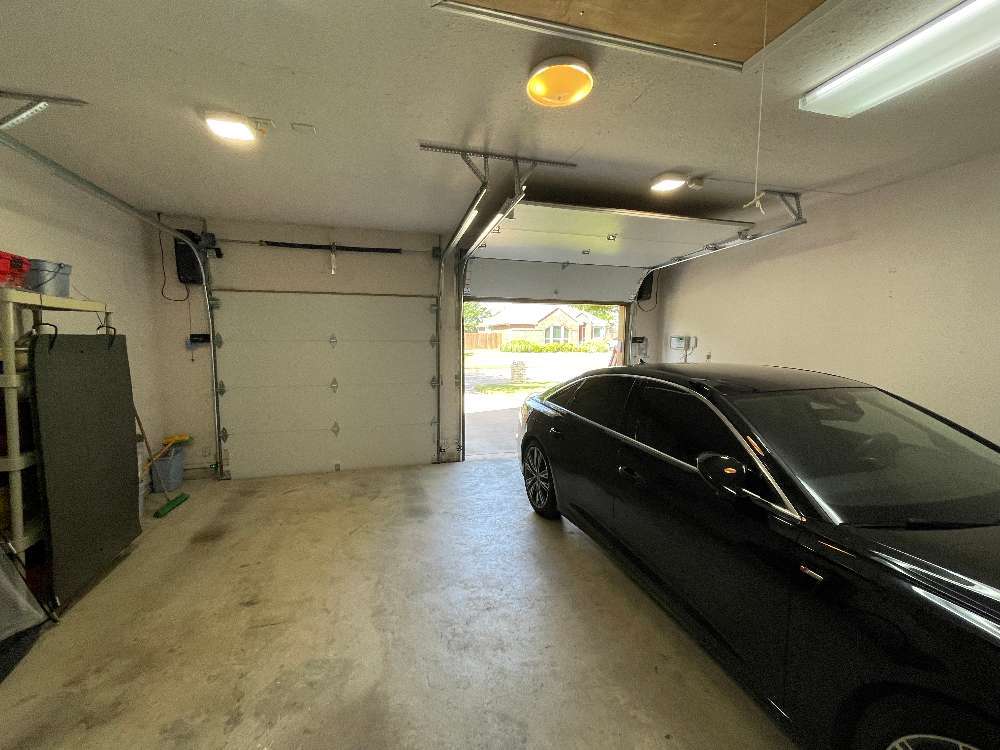
A garage door won’t close for a few common reasons, usually something simple like dirty sensors, misaligned tracks, or an issue with the opener settings. With the right checks, many of these problems can be fixed quickly without calling a technician.
You press the button, expecting the door to shut like it always does. Instead, it jerks, reverses, or won’t move at all. Now you’re stuck. You can’t leave, you can’t secure your home, and your whole day is suddenly on pause. Whether it’s late at night, early in the morning, or just when you’re in a rush, a garage door that won’t close creates stress fast.
This guide walks you through the most likely causes and the easiest solutions. Whether it’s a sensor out of line or a setting that needs adjustment, you’ll learn how to handle it and when to call in the pros before a small problem turns into a major repair.
Why My Garage Door Won’t Close?
Before you get too deep into garage door troubleshooting, start with the basics. A garage door not closing could come down to something in its way; something you might not even notice at first.
Check around the base of the garage door. Small items like garden tools, gravel, or toys often get overlooked. Also, take a quick look near the rubber seal; even a little buildup of dirt can trigger the safety system.
Sometimes, the issue is that simple. For example, many homeowners forget to unlock the manual slide lock on the inside of the door. That lock stops the opener from moving the door entirely.
Check and Clean Safety Sensors
Garage door safety features are useful, but they can be overly sensitive. Two sensors sit near the bottom of the door tracks, usually about 6 inches off the ground. If either one is dusty, misaligned, or knocked loose, the door won’t close.
Look for the LED lights on the sensors. A solid light on both sides means the system is reading correctly. A blinking light or no light at all usually signals a problem.
Wipe both sensor lenses with a soft cloth. Then check to see if they are aligned straight across from one another. Even being off by a hair can trigger the system to stop.
A misaligned sensor is a top cause of the “garage door closes then opens” issue. Once the system thinks something is in the way, it reverses as a safety measure, even when nothing is there.
Test Wall Button and Remote
Next, check your garage door opener controls. If the wall switch works, but the remote doesn’t, you’ve found your issue.
Remote batteries tend to die slowly. Even if the light flashes, it may not send a strong enough signal to close the door. Swapping in a new battery often solves the problem.
If new batteries don’t help, reprogram the remote. Many openers have a “learn” button you can press to reset the signal. In some cases, a brief power outage or surge erases the saved remote settings.
Inspect Tracks, Rollers, and Hardware
Bent or blocked tracks are another reason for a garage door malfunction. If the rollers can’t move freely, the door won’t complete its closing cycle.
Use a flashlight and check both sides of the tracks. Look for dents, tight spots, or items stuck between the track and the wall. Damaged rollers can also jam or wobble, making the door unsafe to use.
Loose bolts or cracked hinges need professional attention. If the door appears crooked or off-balance, stop using it immediately. This type of issue falls into the category of garage door malfunction solutions, and it could require tools or parts that aren’t safe for DIY work.
Adjust Opener Limit Settings
Sometimes the door starts to close, then reverses without hitting anything. This could mean the limit settings on your opener are off by a bit.
The opener has “up” and “down” limits that tell it when to stop moving. If the “down” setting stops the door too early or keeps pushing after it hits the floor, the system may think there’s a problem and reverse.
Minor adjustments to the “down” screw or electronic setting might solve this. Make small turns and test after each one. If things still don’t seem right, a technician can recalibrate it fully.
How Can I Close the Door as a Temporary Fix?
If you need to leave or secure the house immediately, close the garage manually. Pull the red emergency release cord to disconnect the opener.
Lower the door slowly by hand. Then use the lock on the door or clamp the track to hold it closed until service can be scheduled.
Frequently Asked Questions
Can Cold Weather Affect My Garage Door?
Yes. North Texas winters can bring cold snaps that cause the metal parts to contract. Lubricants may also thicken, which makes movement slower and can confuse sensors. Keep everything clean and use cold-weather lubricant.
Should I Lubricate the Garage Door Myself?
You can apply a silicone-based spray to hinges, rollers, and tracks every 6 months. Don’t use grease or WD-40. For deeper servicing, schedule maintenance once a year.
How Often Should I Schedule Garage Door Maintenance?
Once per year is usually enough. Meadows Garage Doors offers a full maintenance service that checks springs, sensors, rollers, and more, so you can catch issues early and avoid breakdowns.
What If None of the DIY Fixes Work?
Stop troubleshooting and call a professional. Broken springs, cables, or motor issues are dangerous to repair without training. Garage doors are heavy and under high tension.
Reliable Fixes Start With The Right Team
A garage door won’t close for a handful of common reasons, and most start small. This article covered sensor problems, track alignment, opener settings, and safe ways to handle temporary fixes, all designed to help you act early and avoid bigger repairs.
When the issue keeps coming back, Meadows Garage Doors provides a clear advantage. Our fully licensed, insured, and never-subcontracted technicians perform detailed maintenance checks, safety testing, and precision adjustments using professional-grade tools. Our maintenance package is built to prevent repeat failures and extend system life.
Schedule your service today and keep your garage door reliable year-round.